
Learn Why They Buy
for many people, closing or enrolling clients can be a challenge. So, what if there was a quick, easy, and effective way to increase your closing rate up to 300%?
There is when you learn people’s BANKCODE and understand how each person thinks and how they make buying decisions.

The truth is that we human beings have twenty-four very different personality styles. Some people are naturally outgoing and friendly, greeting everyone they meet with a smile and a hug. These people excel in sales, customer service, and other positions where relationships matter.
Others are more shy and introverted, preferring to have as little human contact as possible. You probably know a number of these people, and perhaps that is how you were created. These people tend to be computer programmers, accountants, mechanics,
electricians, plumbers, and other professions where they can excel working with things more than with people.
Take It to The B.A.N.K.
When it comes to the buying process, the same is true. When working with prospects and selling your products or services, some will use their intuition to assess your offer quickly.
In contrast, others need time to analyze information on their various options to select the optimal solution before moving forward.
It’s important to recognize people think differently based on their personality style. Considering people process information and make decisions much differently, why do most business people use the exact same presentations and conversations for each prospect they meet?
This was a question I had never considered until October 14, 2017. I led a 2-day event called the Profit Partner Summit, teaching this Raving Referral system to an audience of over 200 in Phoenix, Arizona. After walking off stage, a woman named Sandy approached me, introduced herself, handed me four colored cards, and said,
“Do me a favor: read the information on these cards and sort them in the order of what’s most important to least important to you. That will help me serve you better and save us both time.”
How Betlama Examines No Deposit Bonus Mechanisms in Betting
The betting industry has undergone significant transformation over the past two decades, with promotional mechanisms evolving from simple welcome offers to sophisticated incentive structures. Among these, no deposit bonuses represent one of the most intriguing developments, offering players the opportunity to engage with betting platforms without initial financial commitment. Understanding how these mechanisms function, their regulatory implications, and their impact on both operators and users requires systematic analysis. Betlama has emerged as a notable resource in this space, applying rigorous methodology to evaluate these promotional instruments and provide transparency in an often opaque market segment.
The Evolution and Structure of No Deposit Bonuses
No deposit bonuses first appeared in the online betting landscape during the mid-2000s, initially as experimental marketing tools employed by smaller operators seeking to differentiate themselves from established competitors. The fundamental premise was straightforward: provide potential customers with a small amount of betting credit without requiring an initial deposit, thereby reducing the barrier to entry and allowing users to experience the platform’s offerings.
The structural components of these bonuses have become increasingly complex over time. Early iterations typically consisted of modest sums ranging from five to twenty currency units, with minimal restrictions on usage. Contemporary no deposit bonuses, however, incorporate multiple layers of conditions including wagering requirements, time limitations, game restrictions, and maximum withdrawal caps. These conditions serve dual purposes: protecting operators from exploitation while ensuring regulatory compliance across different jurisdictions.
Wagering requirements, often expressed as multiples of the bonus amount, represent the most significant structural element. A typical requirement might mandate that users wager the bonus amount thirty to fifty times before any winnings become withdrawable. This mechanism transforms the bonus from a simple gift into a tool for extended engagement, aligning operator interests with user activity levels. Additional structural elements include minimum odds requirements for sports betting bonuses, ensuring that users cannot simply place bets on heavily favored outcomes with minimal risk.
Analytical Methodology and Evaluation Criteria
The systematic examination of no deposit bonus mechanisms requires a comprehensive analytical framework that extends beyond surface-level comparisons. Betlama employs a multi-dimensional approach that considers both quantitative metrics and qualitative factors, recognizing that the true value of these promotions cannot be captured through simple numerical comparison alone.
Quantitative analysis begins with the nominal bonus value but quickly extends to expected value calculations that incorporate wagering requirements, game contribution percentages, and maximum withdrawal limits. For instance, a twenty-unit bonus with forty-times wagering requirements and a one-hundred-unit withdrawal cap presents a fundamentally different value proposition than a ten-unit bonus with twenty-times requirements and no withdrawal ceiling. The platform’s evaluation methodology accounts for these variables, providing users with adjusted value metrics that reflect realistic outcomes rather than theoretical maximums.
Beyond numerical assessment, qualitative evaluation examines the transparency of terms and conditions, the accessibility of bonus funds, and the operator’s historical reliability in honoring promotional commitments. This dimension has become increasingly important as the market has matured, with some operators employing deliberately obscure language or imposing undisclosed restrictions that effectively nullify the bonus value. The comprehensive reviews available at https://betlama.com/no-deposit-bonus-betting/ reflect this multi-layered analytical approach, combining mathematical rigor with practical assessment of user experience factors.
Temporal analysis also plays a crucial role in Betlama’s methodology. No deposit bonus offerings fluctuate based on market conditions, regulatory changes, and competitive dynamics. Tracking these variations over time reveals patterns that inform both operators’ strategic decisions and users’ optimal timing for platform engagement. Seasonal trends, particularly around major sporting events, demonstrate how bonus mechanisms serve as tactical instruments within broader marketing campaigns.
Regulatory Framework and Compliance Considerations
The regulatory environment surrounding no deposit bonuses varies substantially across jurisdictions, creating a complex compliance landscape that directly influences how these mechanisms are structured and presented. European markets, particularly those governed by the UK Gambling Commission and the Malta Gaming Authority, impose stringent requirements regarding promotional transparency, fair treatment of customers, and responsible gambling safeguards.
These regulatory frameworks mandate clear presentation of terms and conditions, prohibition of misleading advertising, and implementation of measures to prevent bonus abuse while protecting vulnerable users. Operators must balance the attractiveness of their offerings against compliance obligations, leading to significant variation in bonus structures across different licensing jurisdictions. Markets with lighter regulatory oversight often feature more generous nominal bonus values but may lack the consumer protections that characterize more heavily regulated environments.
The regulatory dimension also encompasses anti-money laundering considerations. No deposit bonuses, by their nature, create opportunities for potential exploitation if not properly controlled. Verification requirements, withdrawal documentation, and transaction monitoring protocols represent the operational manifestation of these regulatory concerns. Betlama’s evaluation framework incorporates assessment of these compliance mechanisms, recognizing that robust verification processes, while potentially inconvenient for users, indicate operator legitimacy and long-term reliability.
Recent regulatory trends suggest increasing harmonization across major markets, with emphasis on consumer protection and responsible gambling taking precedence over promotional freedom. This shift has prompted operators to develop more sustainable bonus structures with realistic wagering requirements and transparent terms, moving away from the aggressive promotional tactics that characterized earlier market phases.
Market Impact and User Behavior Patterns
The proliferation of no deposit bonuses has fundamentally altered user acquisition dynamics within the betting industry. Data from market research firms indicates that these promotions serve as primary decision factors for approximately thirty to forty percent of new users when selecting among competing platforms. This influence has intensified competitive pressure, creating an arms race dynamic where operators continuously adjust their offerings to maintain market position.
User behavior analysis reveals distinct patterns in how individuals engage with no deposit bonuses. A significant portion of recipients, estimated at forty to fifty percent, fail to complete wagering requirements, either due to complexity, time constraints, or loss of interest. Among those who do complete requirements, conversion to depositing customers occurs at rates varying from fifteen to thirty percent depending on platform quality, game selection, and subsequent retention efforts.
These behavioral patterns inform operator strategy in structuring bonus mechanisms. Sophisticated operators employ data analytics to optimize the balance between bonus generosity and conversion efficiency, recognizing that excessively restrictive terms reduce completion rates while overly generous offers attract bonus hunters with minimal conversion potential. The analytical work conducted by platforms like Betlama provides transparency into these dynamics, enabling users to make informed decisions while holding operators accountable for fair promotional practices.
The long-term market impact extends beyond immediate user acquisition. No deposit bonuses have contributed to overall market expansion by reducing entry barriers for individuals who might otherwise hesitate to engage with betting platforms. This democratization effect has both positive and negative dimensions, increasing access while potentially exposing vulnerable populations to gambling-related risks. Responsible evaluation of these mechanisms must therefore consider broader social implications alongside individual user value.
The systematic examination of no deposit bonus mechanisms represents a crucial function in the modern betting ecosystem, providing transparency and accountability in a market segment characterized by complexity and rapid evolution. Through rigorous analytical methodology, comprehensive regulatory awareness, and attention to both quantitative metrics and qualitative factors, platforms like Betlama contribute to market efficiency and informed consumer decision-making. As regulatory frameworks continue to mature and competitive dynamics evolve, the importance of independent, expert analysis will only increase, ensuring that promotional mechanisms serve their intended purpose of enhancing user experience while maintaining industry integrity and protecting consumer interests.
After reviewing the cards, I quickly sorted and handed them back. What happened next blew me away.
As Sandy reviewed the order of the cards I handed her, she started describing my personality. I was shocked at how accurate her
assessment was, and all I had done was sort four cards. I’ve taken at least a dozen different personality assessments, including Myers Briggs (MBTI), DiSC, The Harrison Assessment, and StrengthsFinder, to name a few. Each time, I had to go online and tediously answer 60-100 questions which typically took between 10-20 minutes. With B.A.N.K., it was nearly instant, and there was
no technology needed.
Sandy went on to explain how this B.A.N.K. system helps you
close more sales in less time, increasing closing rates to as much as 300%. She also shared a white paper scientifically validating B.A.N.K. as the world’s only sales methodology that accurately predicts buying behavior in real-time.
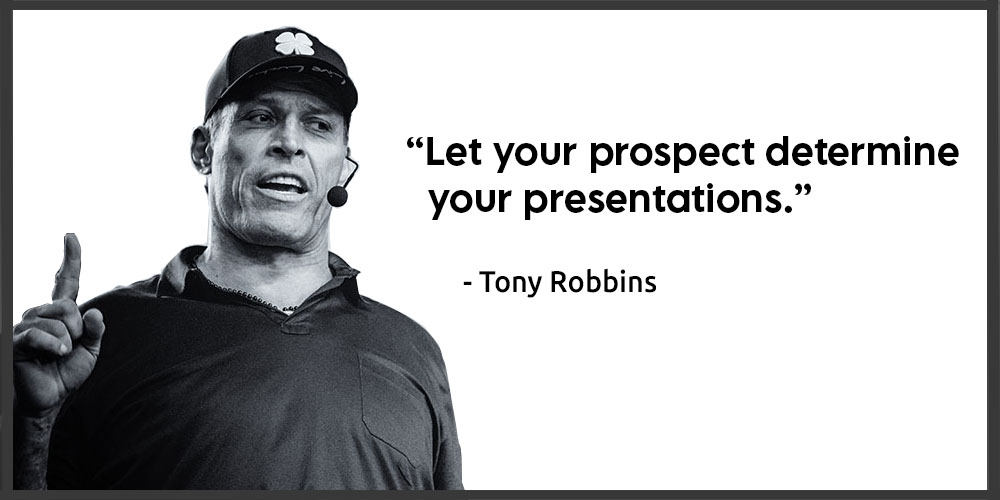
Close More Sales in Less Time
The key to increasing your sales conversion rates is to identify your prospect’s personality type. Once you understand their BANKCODE you can customize your conversations and presentations to be most effective based on how each person processes information and makes buying decisions. In just seconds, this easy and reliable system can help you:
● Supercharge Your Sales
● Transform Your Communications
● Make Lifelong Connections
The four BANKCODES are: Blueprint, Action, Nurturing, and Knowledge.
As you look at the following list, which would you choose as your top choice if you could only choose one?
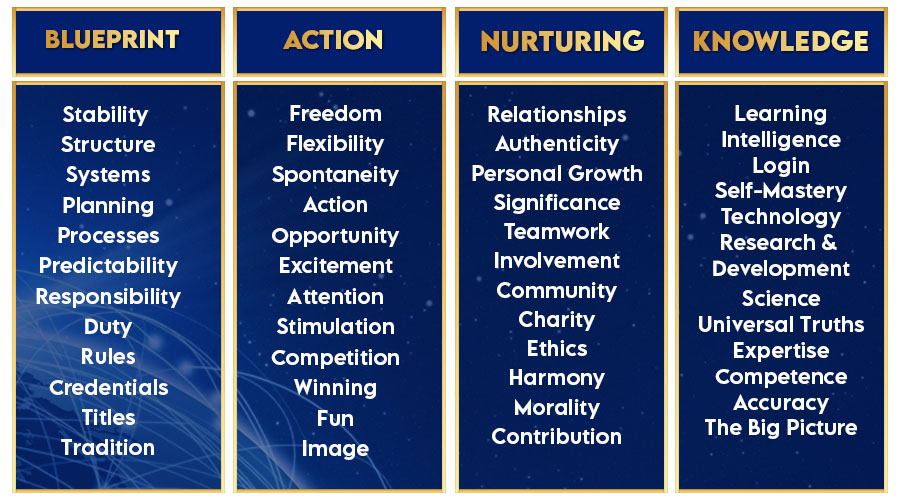
Now that you’ve identified your first choice, what would you choose next?
Complete that process until you have your four-code combination.
Did you know there are 24 individual BANKCODES that drive why people buy? To learn the secrets, science and system to increase sales conversions up to 300%.